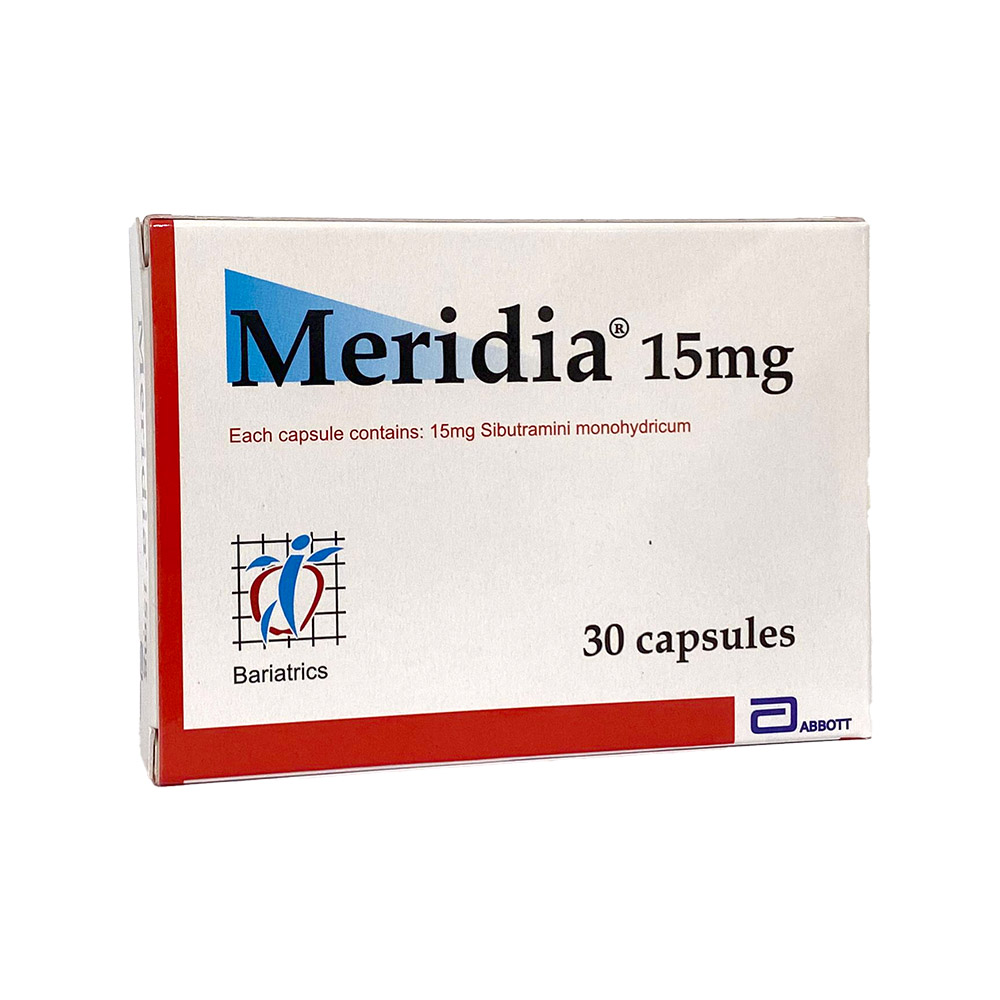
Meridia® 15 mg (Sibutramine HCl Monohydrate)
Description Meridia® 15 mg (Sibutramine HCl Monohydrate) Brand: Bariatrics (Abbott) Category: Centrally acting monoamine-reuptake modulator (SNRI) – Research chemical Content: 30 capsules · 15 mg sibutramine HCl monohydrate per capsule Price: €29 Manufactured in: Europe Research Notice: FOR RESEARCH USE ONLY. Not for human or veterinary use. ???? Product Overview Meridia® 15 mg contains sibutramine hydrochloride monohydrate, a centrally acting serotonin–norepinephrine reuptake inhibitor (SNRI) historically indicated for weight management until its withdrawal following the SCOUT cardiovascular-outcomes trial. It is now used exclusively as a laboratory/analytical reference compound for studies on monoamine signaling, appetite regulation, toxicology, and forensic method development. Sibutramine increases synaptic concentrations of serotonin (5-HT) and norepinephrine (NE) by blocking their reuptake transporters. Its active metabolites (M1/M2) are chiefly responsible for appetite-suppression pathways and sympathetic activation. ✅ Key Research Highlights Monoamine reuptake inhibition: Blocks SERT and NET (± DAT) → ↑ 5-HT/NE levels → enhanced satiety signaling. Documented extensively in DrugBank and PubChem entries. Historical pharmacotherapy: Originally approved for obesity management; later withdrawn (EU/US, 2010) due to increased risk of non-fatal MI and stroke in high-risk cardiovascular patients (SCOUT trial – NEJM). Anti-doping relevance: Classified under WADA Stimulants (in-competition). Athletes must confirm status via Global DRO. Laboratory value: Used in metabolic, toxicological, chromatographic, and receptor-transporter profiling workflows. ???? Mechanism of Action (Simplified) Sibutramine is metabolized into two active metabolites (M1 & M2) which: Block serotonin (SERT) and norepinephrine (NET) transporters Increase synaptic monoamines → enhanced satiety and reduced caloric intake Produce mild sympathetic activation → increased HR/BP in clinical history This profile supports its use in monoamine and appetite-regulation research models. ???? Scientific Data Table Field Data Chemical Name Sibutramine hydrochloride monohydrate Molecular Formula C17H29Cl2NO (monohydrate salt, PubChem) Molecular Weight ~334.3 g/mol (monohydrate) Synonyms Meridia; Reductil; Sibutramine HCl; Sibutramine HCl Monohydrate CAS Number 125494-59-9 (monohydrate); 84485-00-7 (base) PubChem CID 64765 (monohydrate); 5210 (base) Pharmacology SNRI (± DAT) → appetite/satiety modulation via monoamine elevation Doping Status Stimulants – Prohibited in competition (WADA) ???? Research Background SCOUT Trial (NEJM): Increased non-fatal MI and stroke in high-risk cardiovascular groups → regulatory withdrawal. Mechanistic relevance: Appetite suppression linked to SERT/NET inhibition and downstream hypothalamic pathways. Toxicology interest: Cardiovascular, serotonergic, and sympathomimetic components evaluated in controlled studies. ⚠️ Documented Risks (Historical Medicinal Use) ↑ Heart rate and blood pressure Increased risk of non-fatal MI and stroke (SCOUT) Insomnia, dry mouth, headache, constipation Possible serotonin-related interactions (SSRIs/MAOIs) ???? Compliance & Legal Status Regulation: Suspended/withdrawn in EU/US (2010). Not marketed as a medicinal product on this site. Research-only: Supplied strictly for laboratory/analytical use. Sport: Listed under WADA Stimulants (Prohibited In-Competition). Researchers and athletes must verify local regulations and anti-doping rules. ???? Important Notice This compound is for laboratory research only. Not for human consumption, therapeutic use, or veterinary application. Users are responsible for compliance with local laws, regulations, and safety protocols.
Related products
-
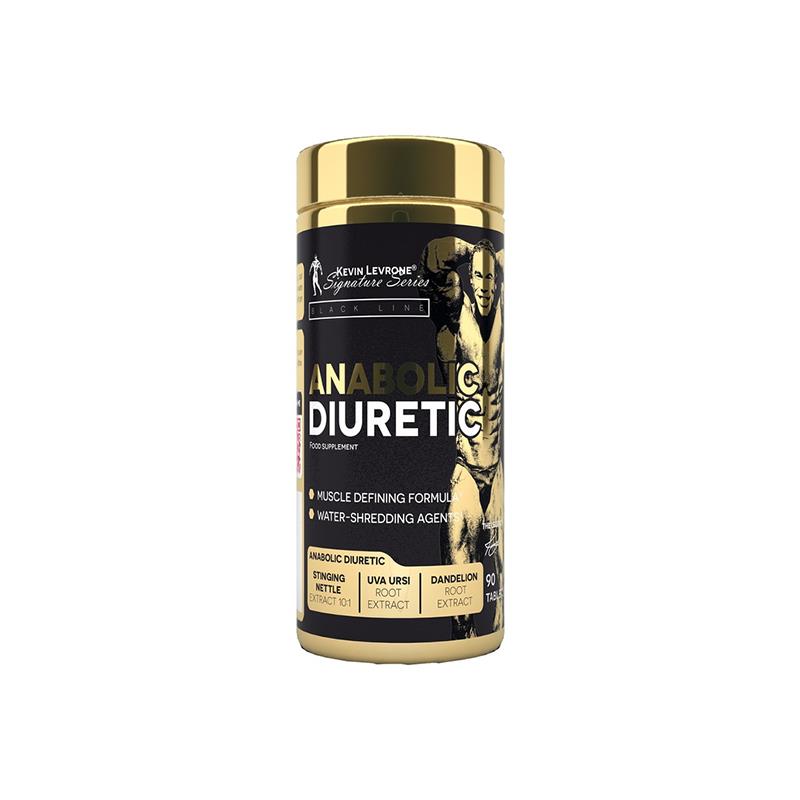 Kevin Levrone Anabolic Diuretic 90 TabletsRead more
-
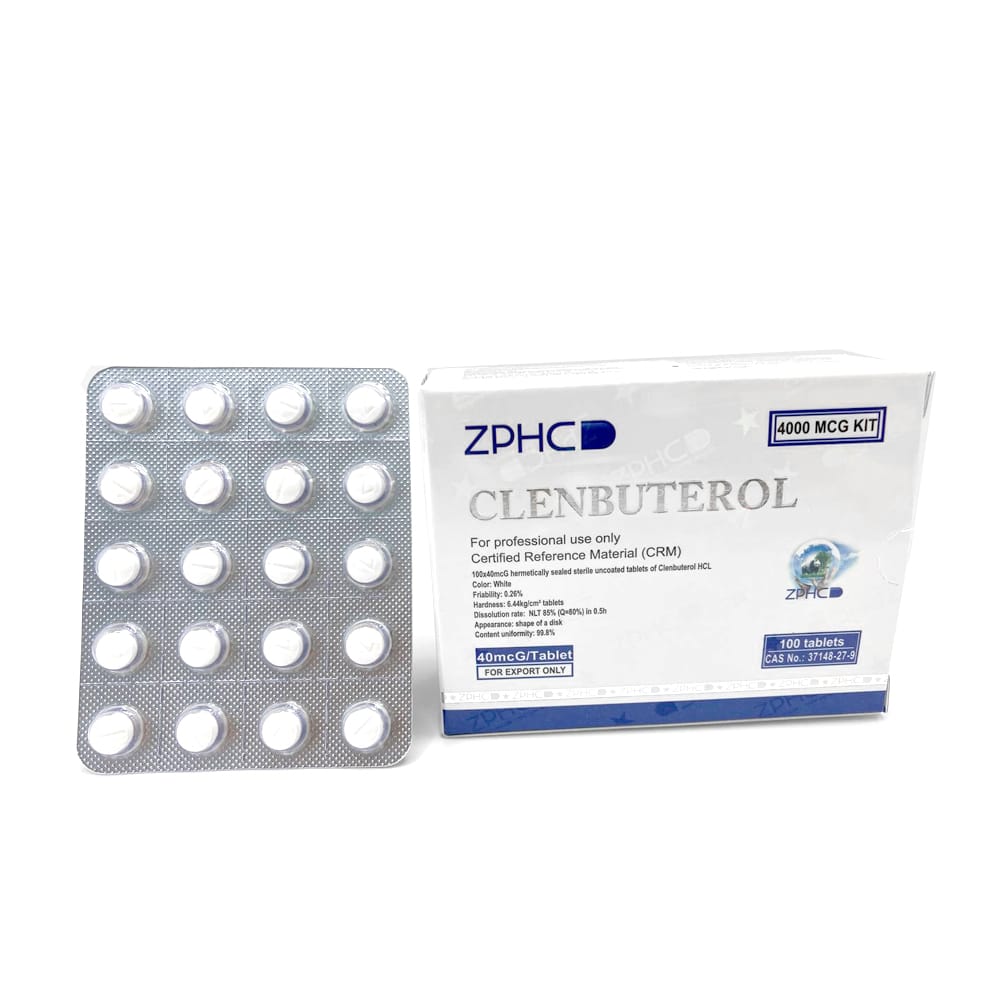 Clenbuterol 40 mcg 100 tablets — AUS DomesticRead more
-
 Cloma Pharma Black Spider 100 CapsulesSelect options
This product has multiple variants. The options may be chosen on the product page
Cloma Pharma Black Spider 100 CapsulesSelect options
This product has multiple variants. The options may be chosen on the product page