

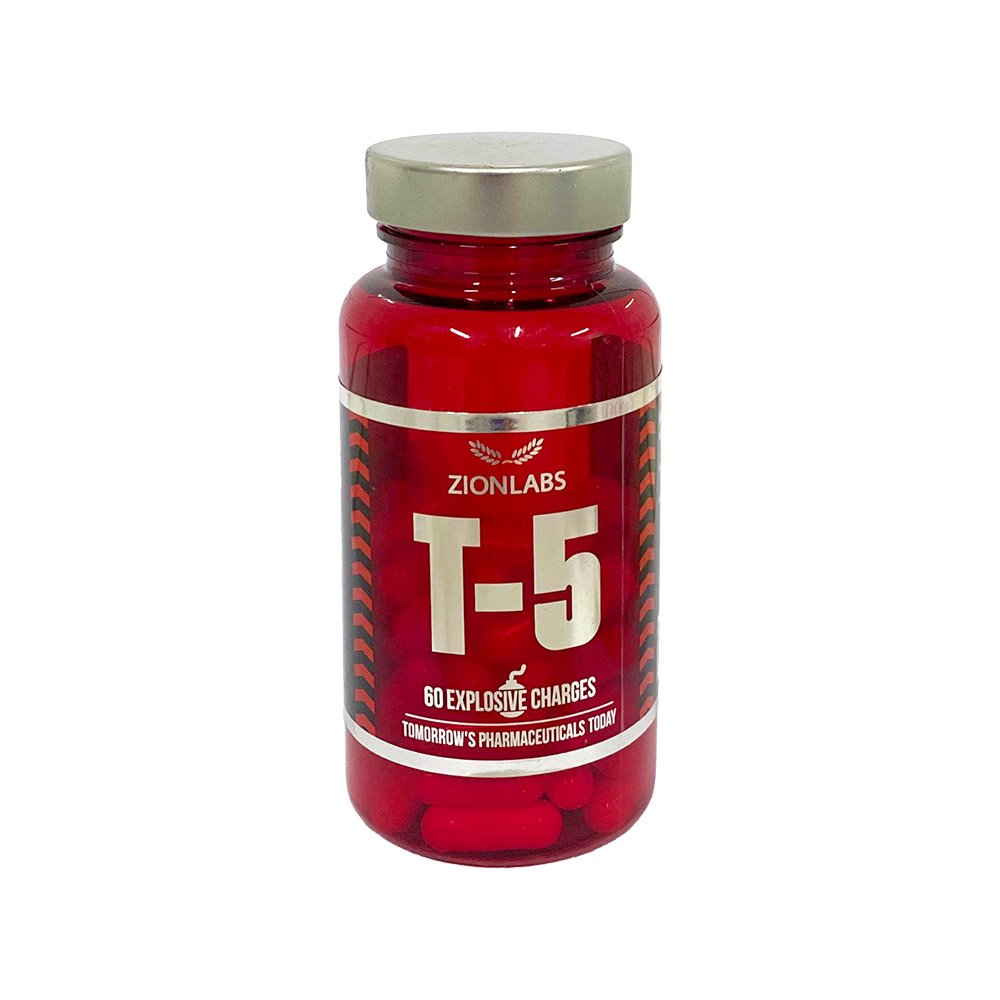
Zion Labs T-5 (ECA)
Description Zion Labs T-5 (ECA Stack) Brand: Zion Labs Category: Thermogenic · High-stim ECA (Ephedrine Caffeine Aspirin) Content: 90 capsules Per Capsule (Label): Ephedrine 30 mg · Caffeine 250 mg · Aspirin 150 mg Manufactured in: Cyprus Price: €22 Research Notice: For laboratory and analytical use only. Not for human or veterinary consumption. ???? Product Overview T-5 by Zion Labs is a classical ECA stack combining ephedrine, caffeine, and aspirin into a single high-stimulus capsule aimed at research on: thermogenesis and metabolic stimulation adrenergic signaling and norepinephrine-driven pathways energy, focus, and pre-exercise arousal body-mass and calorie-restriction models stimulant synergy (ephedrine caffeine) ECA protocols are extensively referenced in older metabolic and obesity studies, making T-5 a structured stimulant model for comparative research. ✅ Key Research Highlights Ephedrine (30 mg): Indirect sympathomimetic that increases norepinephrine release and stimulates β-adrenergic receptors → promotes lipolysis, thermogenesis, and increased energy expenditure. Studies consistently show enhanced thermogenesis when paired with caffeine. Caffeine (250 mg): Adenosine A1/A2A antagonist → heightened CNS arousal, reduced perceived effort, improved alertness, and potential metabolic increases. Commonly researched in performance and weight-management contexts. Aspirin (150 mg): Included historically in ECA protocols; proposed to attenuate prostaglandin-mediated feedback. Evidence suggests limited enhancement beyond EC alone but remains part of traditional triads. ???? Mechanism of Action (Simplified) Ephedrine: Increases synaptic NE → β-adrenergic activation → lipolysis thermogenic output. Caffeine: Blocks adenosine receptors → boosts alertness, metabolic activity, and enhances ephedrine response. Aspirin: Historically added to prolong thermogenic signaling (evidence variable). ???? Technical Specification Table Field Data Per-Capsule Actives Ephedrine 30 mg · Caffeine 250 mg · Aspirin 150 mg Pharmacology Ephedrine: β-adrenergic stimulant Caffeine: adenosine A1/A2A antagonist Aspirin: COX inhibitor (ECA protocol component) Evidence Snapshot (ECA) Clinical studies show increased thermogenesis and modest weight reduction vs placebo; strong regulatory restrictions due to cardiovascular/CNS risks. Doping Status Ephedrine prohibited in-competition above 10 µg/mL urine. Caffeine not prohibited, but monitored in some sports. Regulatory Note Ephedrine-alkaloid supplements banned in U.S. (FDA); restricted across many jurisdictions. Origin Cyprus ???? Research Background ECA literature: Studies indicate increased metabolic rate and short-term body-mass reduction via β-adrenergic stimulation and caffeine synergy. Caffeine potentiation: Caffeine enhances ephedrine’s thermogenic effect in multiple controlled papers. Safety drives regulation: Cardiovascular and CNS risks prompted global regulatory tightening. ⚠️ Potential Side Effects (Class-Based Literature) Elevated blood pressure, tachycardia, palpitations Insomnia, anxiety, tremors, agitation Headache, nausea, GI discomfort Rare severe events: arrhythmia, stroke, myocardial infarction Risk increases when combined with other stimulants or MAO inhibitors ???? Compliance & Doping Status Sport: Ephedrine is prohibited in-competition above 10 µg/mL urine under WADA rules. Athletes should avoid use and consult federation guidelines. Regulation: Ephedrine-containing dietary supplements are illegal in the U.S. and restricted in many jurisdictions. Importation or sale may be blocked by authorities. Research-only: Not a supplement or medication. No human consumption implied. Supplied for analytical, forensic, and laboratory work only. ???? Important Notice For research use only. Not a dietary supplement, not a medicine, and not for performance enhancement. Users must follow local laws, laboratory safety policies, and anti-doping rules.
Related products
-
 Cloma Pharma Methyldrene 25 Fat Burner 100 CapsulesRead more
-
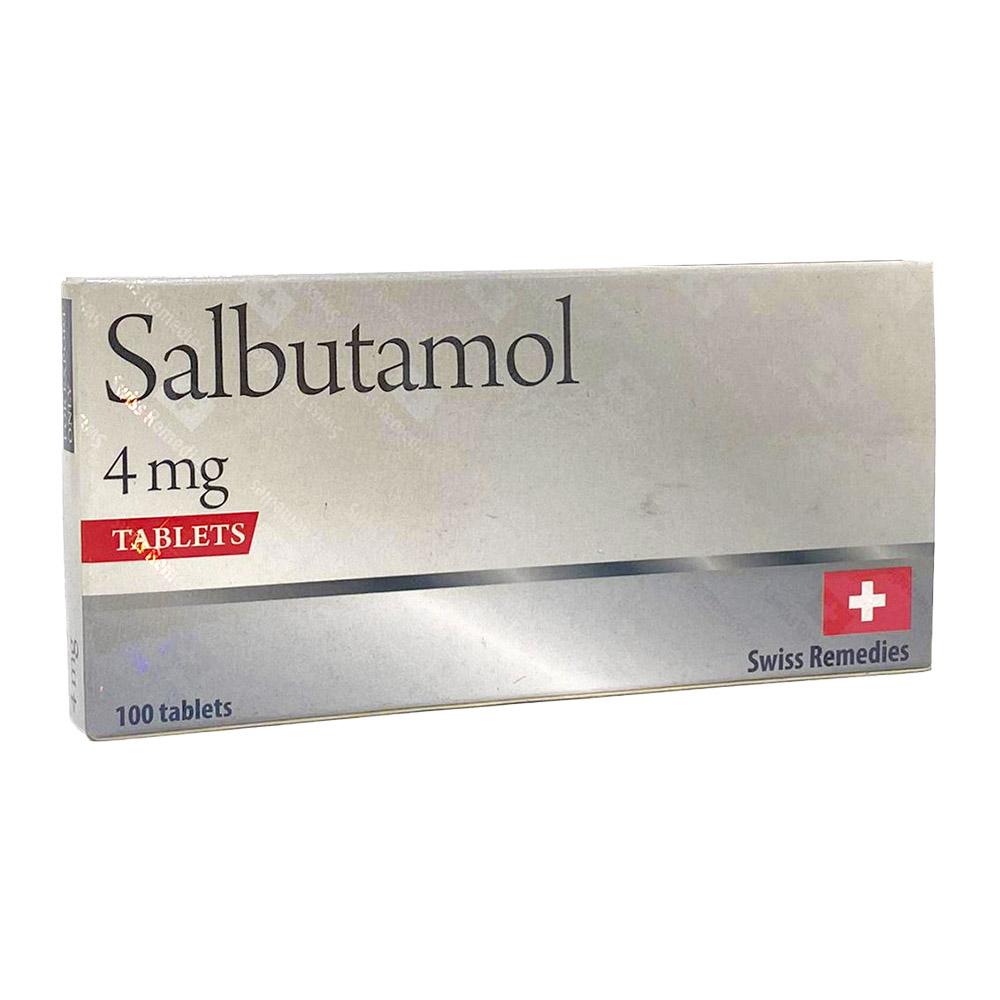 Salbutamol 4 mg TabletsRead more
-
 MHP XPEL, Maximum Strength Herbal Diuretic, 80 CapsulesSelect options
This product has multiple variants. The options may be chosen on the product page
MHP XPEL, Maximum Strength Herbal Diuretic, 80 CapsulesSelect options
This product has multiple variants. The options may be chosen on the product page